

TRE, or Tension and Trauma Releasing Exercises, is a body-based technique designed to help release deep muscular patterns of stress, tension, and trauma. But did you know that TRE can also be highly effective in sports recovery? this is due to its impact on the nervous system and overall physical tension.
Here are a few reasons why TRE can support sports recovery:
1. Facilitates Myofascial release
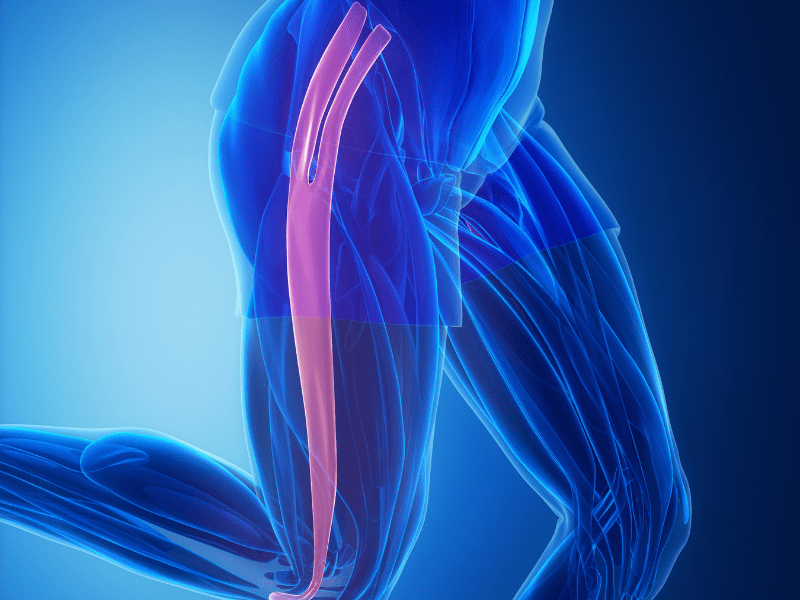
Fascia is a connective tissue network that surrounds and integrates muscles, bones, nerves, and organs. Chronic stress, trauma, or repetitive strain can cause the fascia to tighten, leading to restricted movement and discomfort. TRE’s natural, involuntary tremors stimulate the muscles and fascia, encouraging the release of adhesions or “stuck” areas in the fascia
2. Enhances Recovery of the Nervous System
High-intensity sports can over-activate the sympathetic nervous system (fight-or-flight response). TRE helps shift the body back into the parasympathetic (rest and digest) state, promoting recovery and repair.
3. Improves Flexibility and Range of Motion
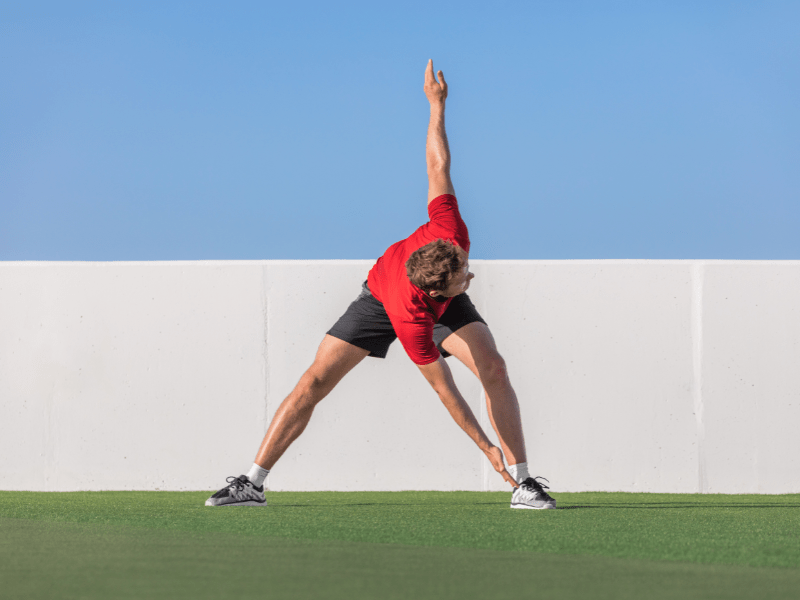
TRE helps improve mobility, especially in the hip joints and lumbar spine, which are critical for dynamic core stability. By releasing tension in the deeper muscle groups, TRE can help improve joint mobility and overall flexibility, reducing the risk of injury and enhancing performance.
4. Speeds up Healing from Microtrauma
Exercise often leads to muscle micro-tears, which can cause soreness, especially that of delayed onset muscle soreness (DOMS). TRE increases circulation and reduces inflammation, supporting faster healing.
5. Enhances Sleep Quality
Better muscle recovery depends on quality sleep. By calming the nervous system and reducing stress hormones, TRE helps athletes sleep better, a key factor in muscle and tissue repair.
6. Relieves Emotional Stress and Promotes stress resilience
Competition and performance anxiety can take a toll on athletes. TRE addresses not only physical but also emotional stress, leading to a more balanced recovery process. TRE also reduces the physiological effects of stress, such as increased cortisol levels, which can negatively impact muscle recovery and performance. Athletes practicing TRE often report faster recovery times and improved mental focus.
7. Supports Injury Rehabilitation
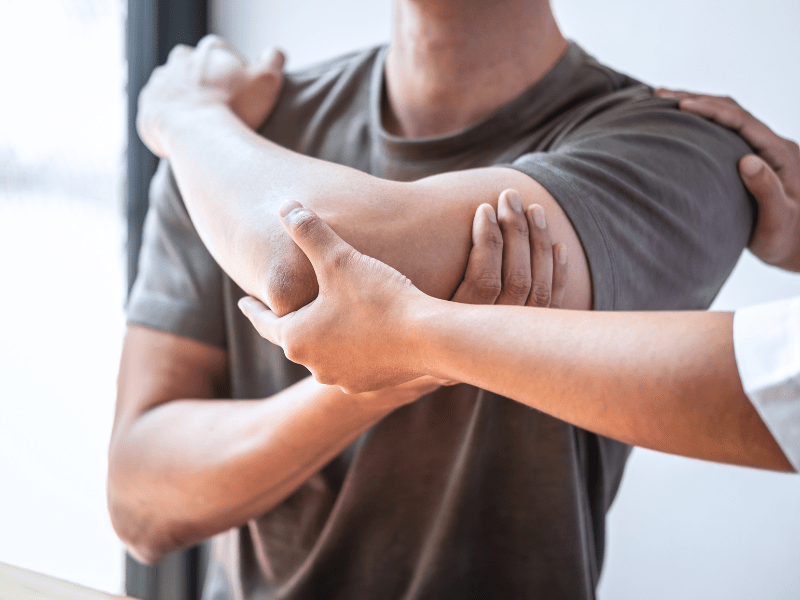
Post-injury, muscles may hold onto tension as a protective mechanism. TRE helps release this residual tension, allowing for better rehabilitation and preventing compensatory movement patterns.
8. Improves performance
In high-pressure situations, athletes often shift from a fight-or-flight state to a freeze state. TRE can help athletes stay grounded, develop present-moment awareness, and access flow states, leading to improved sports performance.
9. Releasing chronic tension
Chronic tension in the psoas (often caused by stress, trauma, or repetitive movement patterns) can impair optimal core function, leading to compensatory movements and instability. By releasing tension, TRE allows these muscles to return to their natural, more relaxed state, improving their ability to stabilize dynamically.
How to Incorporate TRE for Sports Recovery?
Post-Workout: Perform TRE after a workout or before a competition to relax the muscles and nervous system.
Consistency: Practice at least once or twice a week to build cumulative benefits.
If you’re new to TRE, consider working with a certified TRE provider to ensure proper technique and guidance.
By integrating TRE into a sports recovery routine, athletes can experience faster recovery times, reduced risk of injury, and improved overall performance.
 Dr. Tamlyn Govender
Leave a comment