
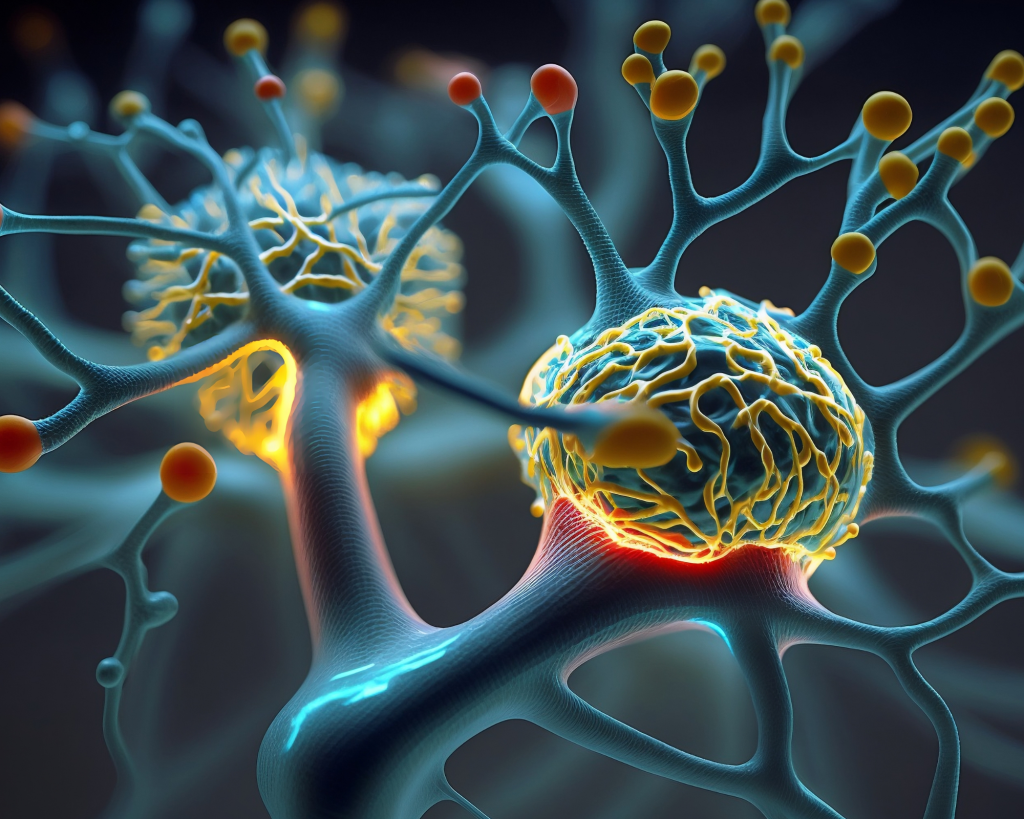
Neuroplasticity is a foundational principle underlying the effectiveness of Tension and Trauma Releasing Exercises (TRE®). It explains how the brain and nervous system can adapt, reorganize, and form new connections in response to intentional movement, safety signals, and somatic experiences, making it central to the long-term impact of TRE on stress and trauma recovery.
Understanding Neuroplasticity
Neuroplasticity refers to the brain’s innate ability to rewire itself based on new experiences, repeated activities, emotional inputs, and learning. This ongoing adaptability allows for healing and functional change in response to both internal and external stimuli. Key features of neuroplasticity include:
- Formation of new neural pathways to support learned behavior or responses.
- Strengthening of existing synaptic connections that are repeatedly used.
- Elimination of dormant or inefficient neural links through synaptic pruning.
This plasticity is what enables recovery from trauma, the formation of new habits, and the unlearning of maladaptive patterns, particularly those embedded in the body.
How TRE® Stimulates Neuroplastic Change?
TRE is a somatic practice designed to safely release chronic tension and trauma stored deep in the body, especially within the psoas and pelvic regions. It works by activating neurogenic tremors, which are involuntary shaking movements initiated by the body when it feels safe to release stored tension. These tremors are not only mechanical releases but also catalysts for neurological change. After TRE sessions, clients may sense a gentle shift, wherein typical responses to situations or circumstances that made them reactive previously, now make them responsive.

1. Rewiring the Brain’s Response to Stress
- In individuals with unresolved trauma or chronic stress, the amygdala becomes overly reactive, keeping the nervous system in a state of hypervigilance.
- TRE, through the activation of neurogenic tremors, helps calm this heightened alert system by engaging the parasympathetic nervous system, responsible for rest, digestion, and recovery.
- With regular practice, the brain begins to reclassify the tremoring as a signal of safety, rather than a threat response. This shift reduces the overall baseline of stress arousal and increases the system’s ability to bounce back from stress.
2. Repatterning Physical and Motor Habits
- Trauma often manifests as chronic muscular bracing—tight shoulders, clenched jaws, or tension in the hips and back. These patterns are deeply ingrained in the motor memory centers of the brain.
- TRE induces tremors that emerge organically from within the body, bypassing voluntary motor control. This disrupts ingrained defensive postures.
- As the body releases held tension, it begins to reprogram movement patterns, restoring natural posture, fluidity, and freedom of motion.
3. Enhancing Interoception and Self-Regulation

- TRE cultivates interoceptive awareness—the ability to sense internal bodily sensations such as pulsing, vibration, heat, or the feeling of release.
- This internal awareness strengthens key brain regions, especially the insula (linked to body awareness) and prefrontal cortex (responsible for emotion regulation and executive function).
- With practice, individuals gain greater control over emotional responses, recognizing stress signals earlier and responding more effectively.
4. Rewiring Emotional Memory and Somatic Associations
- Many traumatic experiences are stored not just in the mind but in the body, a concept known as somatic memory.
- TRE enables bottom-up processing, where releasing physical tension can lead to emotional relief or even insight—without requiring cognitive processing or verbal expression.
- This helps weaken old traumatic neural circuits, replacing them with new associations tied to safety, release, and regulation.
Mechanisms of Neuroplasticity Activated by TRE
Several key mechanisms explain how TRE supports neuroplastic transformation:
| Mechanism | Explanation |
|---|---|
| Downregulation of the Amygdala | TRE reduces chronic fear and anxiety by calming the brain’s fear center. |
| Activation of Parasympathetic Response | Induces relaxation, reducing fight-or-flight dominance. |
| Strengthening of Prefrontal Cortex | Improves regulation of emotions and decision-making. |
| Insula Engagement | Enhances body awareness and internal sensory perception. |
| Disruption of Trauma-Based Motor Loops | Breaks repetitive somatic defense patterns by creating new neuromuscular habits. |
| Bottom-Up Processing | Allows trauma release through sensation and movement rather than verbal recall. |
Clinical Evidence Supporting TRE and Neuroplasticity
While direct studies linking TRE to neuroplastic changes are limited, several pilot studies and clinical observations suggest that TRE may facilitate neuroplasticity by modulating the nervous system’s response to stress and trauma.
- A pilot study conducted in a South African SOS Children’s Village indicated that TRE helped reduce stress among caregivers. Participants reported improved emotional regulation and a greater sense of well-being after practicing TRE on a regular basis.
- TRE has been utilized in various settings, including with trauma survivors in conflict zones and disaster-affected areas. While these applications are primarily anecdotal, they offer insight into TRE’s potential to support trauma recovery by promoting a sense of safety and bodily awareness, which are crucial components of neuroplasticity.
- TRE has been incorporated into programs for military personnel and veterans dealing with post-traumatic stress disorder (PTSD). These programs aim to leverage TRE’s capacity to downregulate the autonomic nervous system, thereby potentially facilitating neuroplastic adaptations that support recovery.
TRE harnesses the power of neuroplasticity not through talk, but through tremor; it is through this body-based learning that the mind is rewired, restoring emotional resilience. To book a session click here
 Dr. Tamlyn Govender
Leave a comment